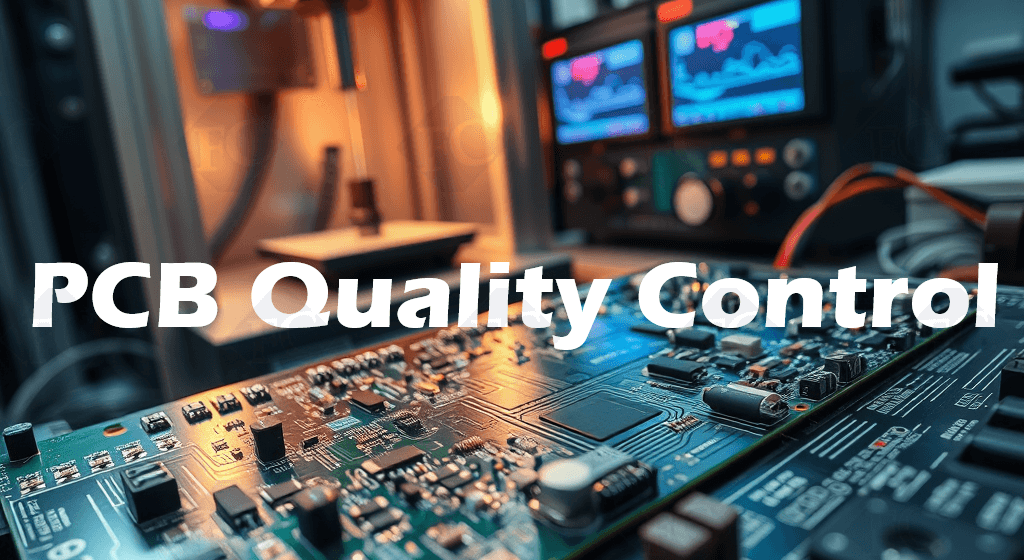
In the mission-critical electronics production industry, PCB quality control is the foundation for product reliability and performance. At FC PCBA, we build reliability into every layer of every printed circuit board (PCB) to ensure they meet the highest expectations and rigorous specifications for functionality, durability, and safety across industries such as aerospace, automotive, medical devices, and consumer electronics.
This in-depth guide explores the PCB QA system methodology, industry standards, advanced PCB quality control methods, introduces our end-to-end quality strategy, and emphasizes how we integrate quality into every stage of the process from engagement to delivery.
Why PCB Quality Control Matters?
A single failed PCB can cost companies a fortune in product recall, damage to reputation, or even pose safety hazards, especially in mission-critical devices like medical devices or aerospace. Even tiny flaws—e.g., a badly soldered joint or a micro-crack- can turn into catastrophic PCB failures under thermal stress or vibration.
Key Risks of Poor PCB Quality
|
Risk Category |
Potential Consequences |
|---|---|
|
Functional Failures |
|
|
Long-Term Reliability Issues |
Premature wear due to environmental stress (humidity, thermal cycling) |
|
Compliance & Market Access |
|
|
Financial & Reputational Damage |
Recalls, warranty claims, loss of customer trust |
Our Solution:
By implementing rigorous PCB quality validation, we:
- ✅ Reduce failure rates by up to 90% (compared to industry standards)
- ✅ Extend product lifetimes by using aggressive stress testing
- ✅ Save customers millions in future recalls and redesigns
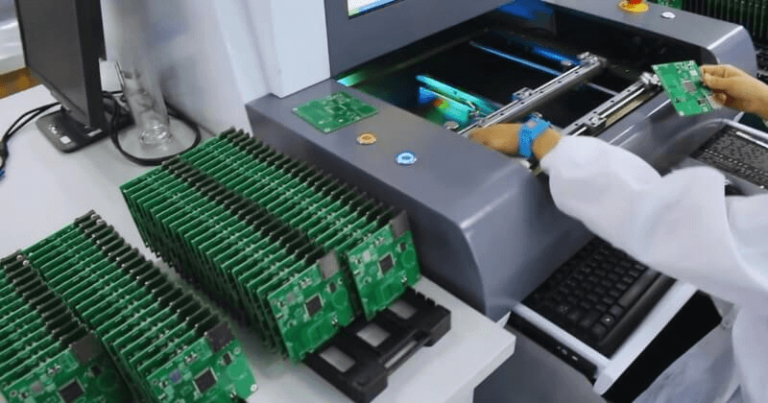
FC PCB Quality Control Process: Precision at Every Stage
Incoming Material Inspection
"Garbage in, garbage out"—raw material quality dictates PCB performance.
- Traceability & Certification
- Full material traceability (base laminates, copper foils, soldermasks)
- Compliance with IPC-4101 (laminate standards) and UL certifications
- Advanced Material Testing
- XRF (X-Ray Fluorescence): Verifies copper purity & plating thickness
- DSC (Differential Scanning Calorimetry): Measures glass transition temperature (Tg) to ensure thermal stability
In-Process Quality Assurance
|
Inspection Method |
Defects Detected |
Technology Used |
|---|---|---|
|
Solder bridges, missing components, misalignment |
AI-powered 2D/3D imaging |
|
|
3D CT scanning for multilayer PCBs |
||
|
Electrical Testing |
Shorts, opens, impedance mismatches |
Flying probe & ICT (In-Circuit Testing) |
Final Inspection & Reliability Testing
- JTAG Boundary Scan for digital signal integrity
- Power-Up Testing under real-world load conditions
- Environmental Stress Screening (ESS):
- Thermal Cycling (-40°C to +125°C) per IPC-9701
- HALT/HASS (Highly Accelerated Life Testing) to uncover hidden defects
- 48+ hours at 85°C/85% RH to eliminate "infant mortality" failures
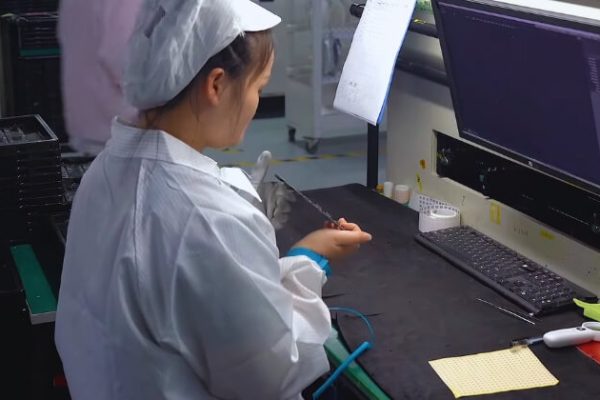
PCBA Quality Control (Post-Assembly)
- Solder Paste Inspection (SPI): Accurate deposition volume prior to reflow
- X-Ray Component Counting: Verification of BOM accuracy and counterfeit detection
- Drop & Vibration Testing: Verification of ruggedness for automotive & industrial applications

Key PCB Quality Standards We Follow
|
Standard |
Application |
Why It Matters |
|---|---|---|
|
IPC-A-600 |
Acceptability of PCBs |
Defines criteria for surface finish, hole wall quality |
|
IPC-6012 (Class 3) |
Strictest requirements for durability |
|
|
ISO 9001 |
Quality Management System |
Ensures process consistency |
|
IATF 16949 |
Focus on defect prevention |
|
|
RoHS/REACH |
EU Compliance |
Restricts hazardous substances (Pb, Cd, Hg) |

More Details about the PCB Standards
PCB & PCBA Standards: Electronics Manufacturing Standards
PCBA standards are the criteria that ensure the quality, safety and reliability of electronic product assemblies. FC has well known standards and certifications IPC, ISO, UL, RoHS and MIL.
Did You Know?
Class 3 PCBs (used in aerospace) require 10x stricter tolerances than consumer electronics.
Advanced PCB Quality Control Methods
Design for Manufacturability (DFM)
- Early collaboration with designers to avoid:
- Acid traps (non-uniform etching)
- Copper imbalance (warping)
- Insufficient annular rings (via reliability risk)
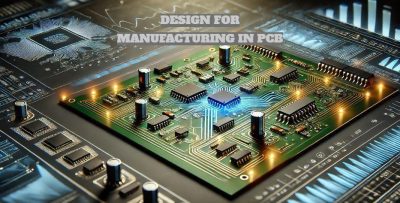
Design Rule Checks (DRC)
- Automatic verification of:
- Trace width/spacing (avoiding circuit shorts)
- Drill-to-copper clearance (preventing blowouts)
ICT vs. Flying Probe Testing
|
Method |
Best For |
Advantages |
|---|---|---|
|
Tests all components in seconds |
||
|
Flying Probe Testing |
Prototypes & low-volume |
No custom fixtures needed
|
AOI + X-Ray Hybrid Inspection
- Combines AOI (surface) and X-ray (internal) inspection for 100% defect coverage
Why Choose FC PCBA for PCB Quality Control?
Our dedication to PCB quality control is unmatched. By combining cutting-edge technology, adherence to global standards, and a culture of continuous improvement, we deliver PCBs that exceed expectations. From PCB quality validation to PCBA reliability, every step reflects our pursuit of perfection.
✔ 100+ Quality Checkpoints – From material sourcing to final packaging
✔ AS9100 Certified – Aerospace-grade discipline for mission-critical boards
✔ 24/7 Failure Analysis Lab – Rapid root-cause investigations
✔ 90% Defect Reduction – Proven track record in high-reliability industries
Conclusion
In a world where “good enough” isn’t an option, FC PCBA delivers PCBs engineered to excel. By combining cutting-edge inspection tech, proactive DFM collaboration, and rigorous reliability testing, we transform your designs into bulletproof products.
Quality Is Our DNA
Partner with FC PCBA for PCBs that power innovation—safely and reliably.
📞 Contact us today to discuss your project’s quality requirements!
Frequently Asked Questions
How do you prevent counterfeit components in PCBA?
We use X-ray component counting, electrical signature analysis, and supplier audits to ensure authenticity.
What’s the difference between Class 2 and Class 3 PCBs?
- Class 2 (Consumer/Industrial): Allows minor cosmetic defects.
- Class 3 (Aerospace/Medical): Zero tolerance for defects; stricter testing.
How does thermal cycling improve PCB reliability?
Exposes solder joint cracks and delamination before field deployment.
Can you repair defective PCBs?
Yes, but rework increases cost & risk. We focus on preventing defects at the source.
What’s the biggest cause of PCB failures?
Poor soldering (60% of defects), followed by material flaws (20%) and design errors (15%).