Table of Contents
ToggleIn modern society, with widespread interconnectivity, telecom PCB plays a key role in supporting communications over a variety of platforms and enhancing efficiency in telecommunication networks and terminals. Telecommunication involves technology for conveying forms of information—voice, data, or video—across significant distance through electrical impulses and printed circuits in a communications infrastructure. Telecommunication technology forms the basis of modern interconnected living, supporting a variety of processes such as mobile communications and connectivity over the Internet.
What is Telecommunication PCB?
A telecommunication PCB is basically a unique circuit board running in devices related to the transmission, reception, and processing of communication signals. It is a specially fabricated circuit reader, which in the communication apparatus provides control and directions to high-frequency signals. Such PCBs reduce EMI, promote signal integrity, and also allow for higher functionality advances required by expanded applications like routers, smartphones, and satellites for communication.
What are the Main Types of Telecommunication Systems?
Modern interaction in society is based on telecommunication networks; within the general meaning, it holds various ways of participating in voice, data, and multi-media interactions using different platforms. We will classify these systems in regard to their functionality and the nature of the data being processed. The following are the main types of telecommunication systems:
Two-Way Speech Transmission Systems
These systems facilitate real-time, interactive voice communication, forming the foundation of traditional telephony and mobile communication.
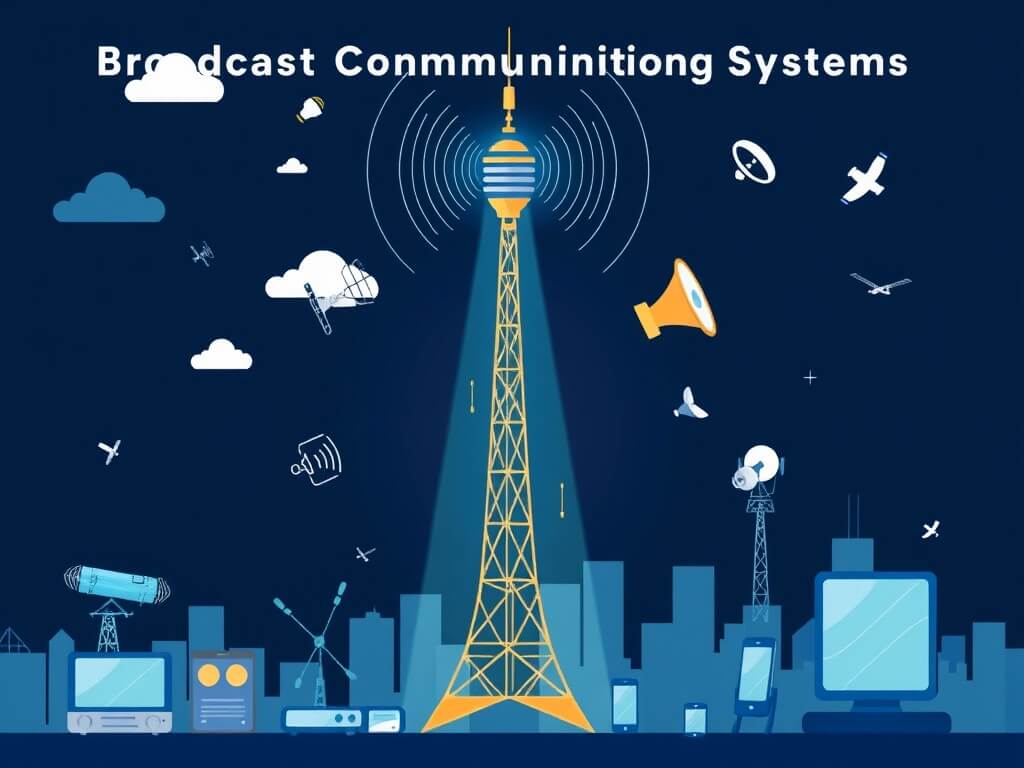
Broadcast Communication Systems
We all use television and radio, these are one-directional communication and also come in Broadcast Communication Systems.
Data Transmission Systems
These systems were built to support exchanging data for applications such as internet connectivity, cloud computing, and remote access to a server.
Integrated Voice and Data Systems (VoIP)
Integrated Voice and Data Systems combines voice and data in its systems to deliver effective and affordable methods of communication.

Wireless Communication Systems
These systems eliminate the constraints of physical connections, enabling mobile and remote communication through technologies like Wi-Fi, cellular networks, and Bluetooth.
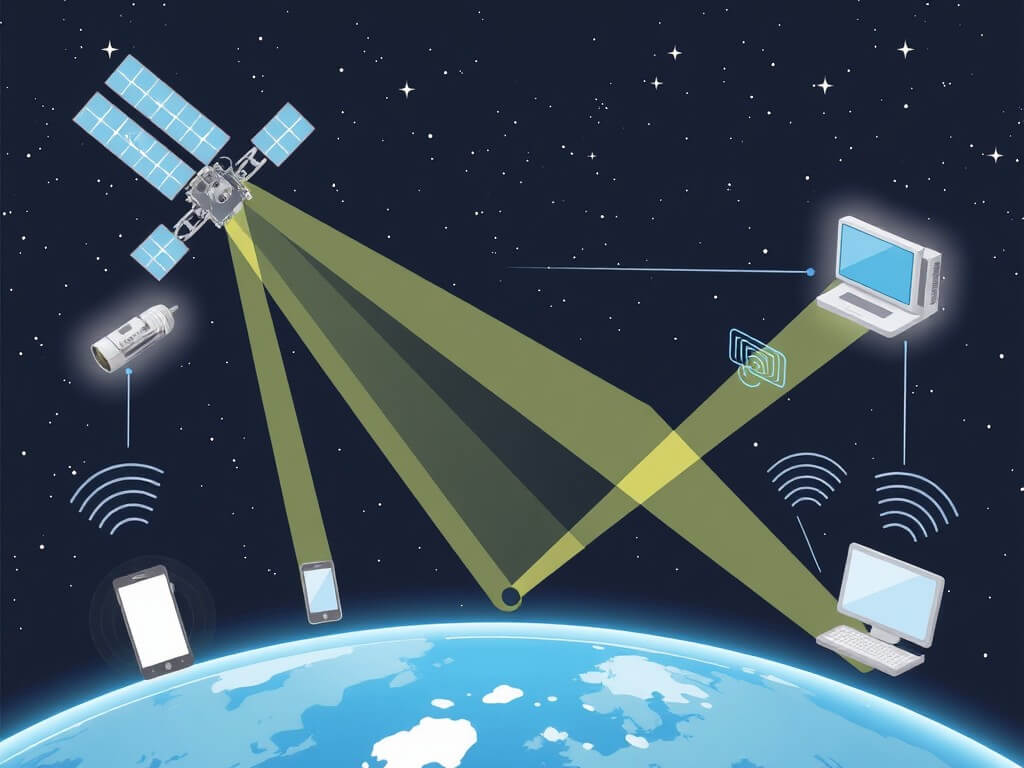
Satellite Communication Systems
These systems rely on satellites and extend global coverage to applications such as GPS, global broadcasting, and remote area connectivity.
Telecom PCB Applications
Telecommunication PCBs are always a driving force in the development of many communications technologies, and thus, they have found a wide range of applications in the field of telecommunication. These PCBs will allow effective data transfer, signal processing, and management of communication systems for better and quicker connectivity. Some of the major applications of telecommunication PCBs include:

Multimedia Communication
PCBs power devices and systems that enable high-quality video and audio communication, which is critical for remote work and digital collaboration.

Mobile Phones
Telecommunication PCB manufacturers are serving as a savior for mobile phone users because mobile phones are the most important electronic devices for daily life and business purposes.

Satellite Communication Systems
Space-based communication systems rely on PCBs designed for high-frequency operations to ensure effective data transmission over long distances.
Besides, you will find the use of telecom PCBs in many more applications that are important parts of today's world, such as:
- Data Storage and Processing Devices
- Networking Equipment
- Emergency Communication Systems
- Industrial Wireless Communication
- Defense and Military Communication Systems
- Public Communication Infrastructure

From landline systems to public information networks, these telecommunication PCBs facilitate flawless communications in commercial and public spheres. A telecommunication PCB is the backbone of innovative communication technologies, focusing on a wide scope of applications- from commercial to highly specialized fields with high levels of reliability, precision, and adaptability.
Design Considerations for Telecommunication PCBs
Designing Telecom PCB requires solving a set of special problems to provide high performance, reliability, and durability within harsh telecommunication conditions. Other than standard PCBs, Telecom PCB assembly needs to deal with high-frequency signals, harsh environmental conditions, and a number of different hardware-software configurations.
Incorporating Design for Manufacturing (DFM) and Design for Testability (DFT) principles should be implemented at the very stage of PCB design to make the process of PCB manufacturing easier and testing more effective. Basically, telecommunication PCBs need to possess the following features in order to meet high requirements for telecommunication equipment: high frequency, excellent dielectric, good stability, low loss, multi-layer design, and high thermal conductivity. Considering the above characteristics, the next key design factors shall be mentioned while creating a powerful telecommunication PCB system:
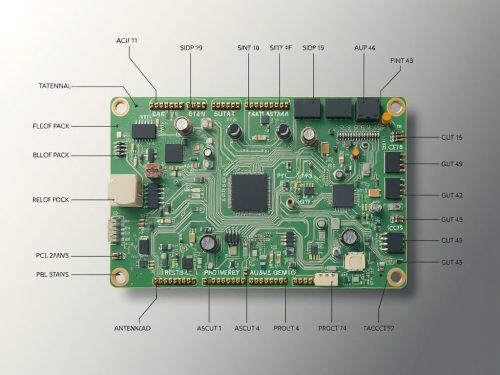
- High-Frequency Signal IntegrityOne of the major issues at high frequencies is clear telecommunications signals. Good trace design, impedance control, and the use of high-quality Telecom materials reduce signal loss and distortion.
-
Thermal ManagementTelecommunication devices tend to give off a lot of heat. Reliability in Telecom networks and those that may cause system failure require heat management; some methods include heat sinks, thermal vias, and thermally conductive material.
-
Environmental DurabilityWhen manufacturing for telecommunication, we need to determine the durability that PCB will face in extreme weathering conditions like humidity, moisture, and temperature changes. To achieve these characteristics, a lot of makers opt for very high-quality surface finishes like ENIG and hard gold in order to get reliable connections.
-
Electromagnetic Interference (EMI) ControlUnmanaged EMI will interfere with the components of telecommunication and distress the overall functionality. To have an optimum level of EMI, there must be an effective shielding technique along with strategically designed ground planes on the PCB. The separation between the digital and analog components and signals reduces crosstalk. Filters may be applied at entry and exit to suppress the noise effectively.
-
Component PlacementThe effective placement of components has to be carried out to optimize the length of the signal path and at the same time minimize the possible interference. Critical components, if kept closer to one another, reduce inductance and resistance.
-
Power Distribution Network (PDN)A well-organized Power Distribution Network is of great importance in providing stable power to the vital Telecom components. Effective route decoupling and low impedance paths result in better power efficiency with a minimum noise profile.
-
Compliance with Industry StandardsEnsuring that technical compliance with industry-standard certifications will be bound to provide a very safe and reliable result in Telecommunications PCBs. For FC PCBA, we are bound to ensure essential protocols such as ITU, 5G, and IEEE, and also keep a balance by ensuring safety and electromagnetic compliance including CE and FCC.
- Hardware & Software IntegrationHardware and software are integrated in order to get a perfect blend. The PCB should, therefore, be designed such that it features a number of setups so that seamless communication is initiated between the Telecom networks and their respective systems.
The balance between hardware and software is important. It requires design to work well with different setups and ensure that the telecom network system has smooth communication. This article will outline the important factors for improvement in the integration of hardware and software, offering an in-depth view of their effects on the performance of a telecom PCB.
What are the Differences between Telecommunication PCB Assembly and Standard PCB Assembly?
The points that generally make the assembly procedure of telecommunication PCBs different from the standard ones are related to the special demands of complicated conditions of high-speed data transmission, high-frequency signals, and impossible environmental conditions.
Here is the difference in the assembly consideration between telecommunication PCBs and regular PCBs, tabulated and in a nice format for better visibility:
|
Aspect |
Telecom PCBA |
Standard PCBA |
|---|---|---|
|
Signal Requirements |
Requires precision placement of high-frequency components and advanced assembly techniques to minimize signal loss and interference. |
Standard assembly methods suffice for lower-frequency components with minimal signal constraints. |
|
Materials Used |
High-performance PCB materials like PTFE, Rogers, or low-loss FR4 ensure signal integrity.
|
Standard FR4 materials are typically sufficient.
|
|
Component Density |
Usually, compact placement of components in the PCB |
Moderate complex density components |
|
Testing Requirements |
The strict requirements of consideration for extensive testing like crosstalk, reflections, signal integrity, impedance control and others. |
General design and manufacturing testing- continuity and basic functional testing for low-frequency application PCBs.
|
|
Customization |
Highly customized for specific telecom networks and protocols. |
Generic designs catering to diverse but simpler applications. |
|
Cost |
The cost is generally high due to specialized materials, components, and assembly techniques |
The cost is relatively low due to standard processes and materials |
Conclusion
Telecommunication PCBs play an important part in today's communication systems, enabling anything from cell phones to satellite networks. These sophisticated circuit boards are designed to deliver strong, clear signals while minimizing interference. As the need for greater connection grows, telecommunication PCBs will continue to play a critical role in improving the efficiency, dependability, and intelligence of our digital world.
FC PCBA is committed to providing high-quality Telecom PCB assembly solutions that are customized to your individual requirements. We welcome you to contact us immediately to discuss your needs and learn how our experienced staff can offer you trustworthy service.