
Table of Contents
ToggleIn the realm of electronics manufacturing, the concept of low-volume PCB assembly carries significant weight. While mass production often dominates the narrative, catering to smaller-scale projects with precision and efficiency is equally crucial. As China’s leading PCB assembly provider, Fulltronics provides low-volume and high-volume, full-turnkey, complete PCB Assembly services. FC has advanced manufacturing facilities to handle the toughest board assembly jobs and meet expected quality requirements.
Understanding Low-Volume PCB Assembly
Low-volume PCB assembly is the process of installing electronic components on a relatively small number of bare boards. Since circuit board assembly is performed in small batches, it is often called small batch PCB assembly. The number of circuit boards in a batch may vary from a few to 250 or more. The PCB assembly market segment is vital for companies and individuals who need specialized circuit boards for prototypes, small batches, or special applications
The primary purpose of small-volume PCB Assembly is to optimize the board’s quality and eliminate any issues that may appear. FC will use techniques like DFM (design for manufacturing) and DFT (design for testing) to identify any problems that can be optimized before you go into mass production.
-
Design for Manufacturing (DFM): This service performs quality checks based on circuit diagrams and engineering documents such as assembly files, Gerber files, and bills of materials (BOMs). This deeper analysis helps avoid any problems in the larger assembly process. The process also ensures efficient component placement on the board.
-
Design for Test (DFT): This small-volume PCB assembly service helps customers gain insight into the test points around the board. The process validates the types of tests to be performed and provides troubleshooting guidance.
This low-volume PCB assembly service helps customers gain insight into the test points around the board. The process validates the types of tests to be performed and provides troubleshooting guidance.
Benefits of Small Batch PCB Assembly
The following advantages of small batch PCB assembly make it ideal for complex or customized advange PCBs.
Cost-Effective
Low-volume PCB assembly eliminates the need for mass production setups and reduces material waste, resulting in cost-effective production.
Customization
Small-volume PCB assembly enables customization of specific requirements, such as unique board sizes, shapes, and functionalities.
Flexibility
Businesses can quickly iterate and test new designs without committing to large production runs, making it ideal for prototyping and product development.
Faster Turnaround
With smaller volumes, manufacturers can offer faster turnaround times, which is critical to meeting tight project deadlines.
Challenges in Low Volume PCB Assembly
While we know that low-volume PCB assembly offers many benefits, there are some limitations that we must face:
- Economies of Scale: Lack of economies of scale can lead to higher unit costs.
- Supply Chain Management: Procuring materials and components for small batches can be challenging, especially for specialized or rare components.
- Quality Control: Maintaining consistent quality across small batches requires rigorous quality control measures and testing processes.
- Production Setup: Setting up production lines for low-volume runs may lead to longer setup times and potential inefficiencies.
Key Considerations for Small-Volume PCB Assembly
Fulltronics takes into account the following five factors when assembling PCBs in small batches:
Design Optimization
Optimize PCB designs for manufacturability, considering factors like component placement, trace routing, and assembly compatibility.

Component Sourcing
Work closely with suppliers to ensure availability of components for small batch runs and explore alternatives for hard-to-find parts.

Quality Assurance
Implement robust quality assurance protocols, including PCB testing, inspection, and quality control checks throughout the assembly process.

Assembly Techniques
Choose appropriate assembly techniques such as surface mount technology (SMT) or THT PCB assembly based on design requirements and component availability.

Supplier Selection
Partner with reputable and experienced PCB assembly providers specializing in low volume runs to ensure quality, reliability, and timely delivery.

SMT or THT for Small Run PCB Assembly?
For manufacturers, there is no difference between small-production PCBs and mass-produced circuit boards. But in low-volume PCB assembly, the choice between surface mount technology(SMT) and through hole technology(THT) depends on several factors:
-
SMT is the better choice when your design requires high component density and frequent high-frequency operations, or if you plan to expand production.
-
THT may be more appropriate for heavy or large parts where your design requires physical stress or high heat, or if you value ease of modification and repair.
-
Of course, we can also use a hybrid method, which is also an ideal solution for low-volume PCBs.
We can utilize the advantages of both methods, using THT for components that require a strong mechanical bond or resistance to high temperatures, and SMT for smaller, more numerous components.
The Low Volume PCB Assembly Process
The low-volume PCB assembly process unfolds in a series of stages that culminate in the production of a complete printed circuit board. Let’s take a comprehensive look at each step in depth:
Step One: PCB Design and Layout
Low-volume PCB assembly begins with PCB design and layout. This involves creating a schematic diagram of the circuit and then designing the physical layout of the PCB. Design considerations range from PCB size, number of layers, and precise component placement.
Step Two: PCB Manufacturing
After the PCB design and layout, the next step is low volume PCB manufacturing. This contains etching, drilling, plating, solder mask, and silkscreen. The board can then make the necessary connections between the layers.
Step Three: Component placement
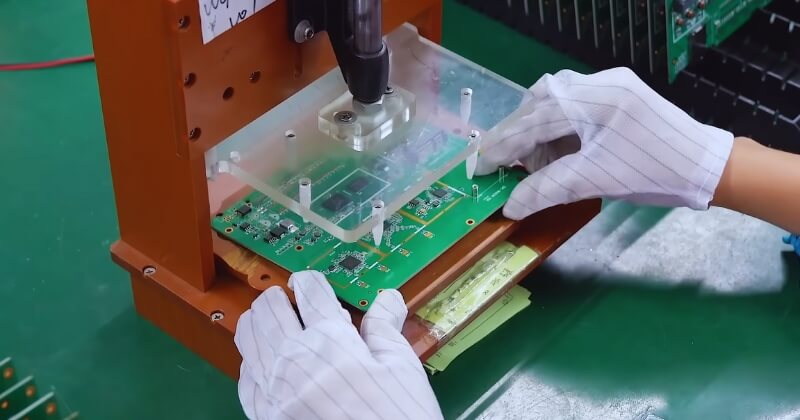
This step is the actual assembly of the printed circuit board. It is where the components are placed on the board and soldered into place. The components are securely attached to the board using surface mount or through-hole soldering techniques. The assembly process must be tightly controlled to ensure that components are placed correctly and solder joints are high quality.
Step Four: Quality Control and Testing
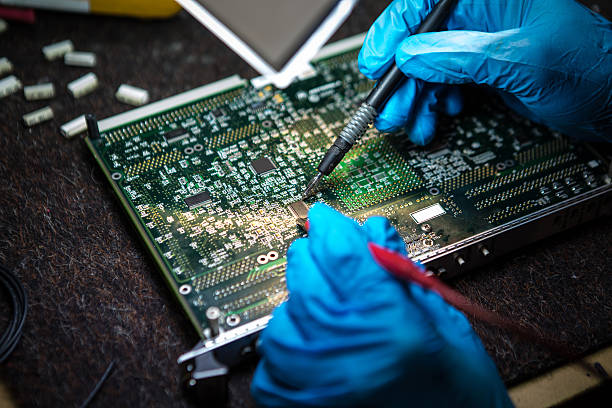
To ensure the proper functioning of the printed circuit boards, they must be tested and inspected after installation. We will use specialized testing equipment to do this.
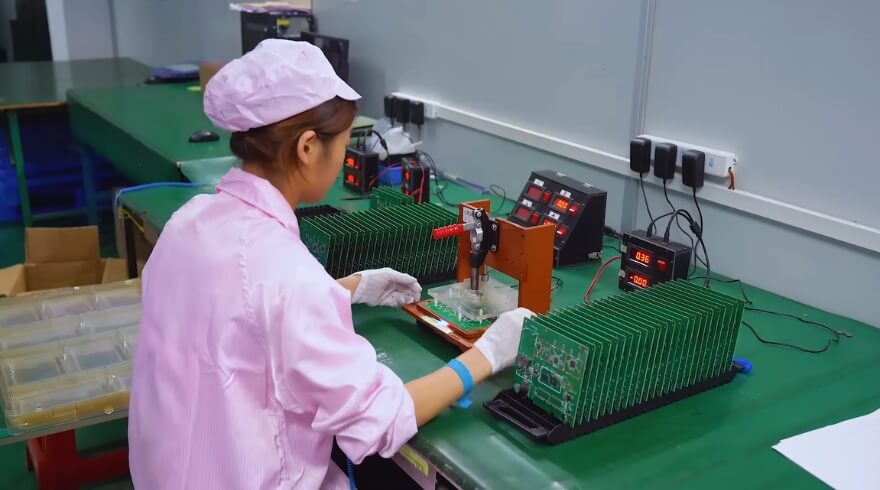
The small batch assembly process is similar to high-volume PCB assembly but with a much lower degree of automation. Manual assembly and manual inspection are widely used.
How to choose a reliable Low Volume PCB Manufacturer?
Capabilities
Review supported assembly technologies, component types, board substrates, etc. Ensure suppliers can assemble the planned design.
Supply Chain Management
Effective supply chain management is critical for low-volume PCB assembly. Unlike mass production, where suppliers are often expected to fulfill large orders, low-volume projects may require sourcing components from multiple suppliers. This requires proactive supplier relationship management to ensure quality components are reliably available within the required timeframe. Partnering with suppliers can also bring benefits such as cost optimization, design support, and access to cutting-edge technology.
Quality Control and Testing
Quality control is crucial in low-volume assemblies. Every PCB fabrication must meet stringent quality standards to ensure functionality, reliability, and longevity. Automated test equipment and functional test programs are also critical. In addition, implementing statistical process control (SPC) methods helps monitor variability in the manufacturing process and identify potential problems early in the production cycle, thereby improving product quality and customer satisfaction.
Environmental Sustainability
In today’s environmentally conscious landscape, sustainable practices are increasingly integrated into manufacturing processes, including small-volume PCB assembly. Adopting eco-friendly materials, minimizing waste generation, and optimizing energy consumption are key considerations. Manufacturers can also explore initiatives such as recycling electronic waste and adhering to industry standards for environmental responsibility. Sustainable practices not only align with corporate social responsibility goals but also contribute to long-term cost savings and resource efficiency.
Regulatory Compliance
Compliance with regulatory PCBA standards and certifications is non-negotiable in electronics manufacturing, regardless of production volume. Low volume circuit board assembly projects must adhere to industry-specific regulations, safety guidelines, and quality management systems. This includes certifications such as ISO 9001 for quality management, ISO 13485 for medical devices, and IPC standards for PCB design and assembly. Proactively addressing regulatory compliance ensures product reliability, market acceptance, and legal compliance.
Low Volume Assembly Advanced Technologies & Trends
An interesting development in recent years has been the convergence of advanced technologies with low-volume electronics assembly. Technologies such as additive manufacturing (3D printing) and flexible electronics have started new possibilities for creating complex PCB designs in small batches. For example, 3D printing can create complex PCB structures with embedded components, reducing the need for traditional assembly processes and tooling. This is particularly beneficial for prototyping and niche applications where customization is paramount.
Several trends and innovations are poised to impact the landscape of small-run PCB assembly. Several industry trends are shaping the landscape of low-volume PCB assembly: advancements in automation and robotics, machine learning for process optimization, the integration of Internet of Things (IoT) technologies for smart manufacturing, and the emergence of digital twins for virtual prototyping and testing.
- Miniaturization: The trend towards smaller, more compact electronic devices is driving demand for intricate, high-density PCBs in low volumes.
- IoT and Edge Computing: The proliferation of IoT devices and edge computing solutions fuels the need for customized PCBs tailored to specific applications, often in limited quantities.
- AI and Automation: AI-driven automation optimizes assembly processes, reduces human error, and enhances efficiency, even in low-volume production scenarios.
Embracing these trends can enhance productivity, reduce costs, and unlock new possibilities for innovation in low-volume production environments.
Conclusion
In short, low-volume circuit board assembly is a dynamic and growing electronics manufacturing segment. By adopting advanced technologies, optimizing supply chain management, prioritizing quality control, promoting sustainability, ensuring regulatory compliance, and staying abreast of future trends, manufacturers can effectively navigate the complexities of low-volume production and deliver superior value to customers in various industries.
Small-batch printed circuit board assembly provides a strategic advantage for companies and individuals who need small quantities of custom-printed circuit boards. By taking advantage of low-volume assembly, companies can accelerate product development, reduce time to market, and meet the changing needs of specialized applications.